

In this guide
Sound quality belongs in wedding planning alongside the venue, photographer, and playlist.
Plan how guests will hear the vows, toasts, announcements, and music. Each part of the day has different audio needs.
As a professional wedding DJ serving Bozeman and Southwest Montana, I’ve seen firsthand how critical proper sound planning is — especially for outdoor and destination weddings.
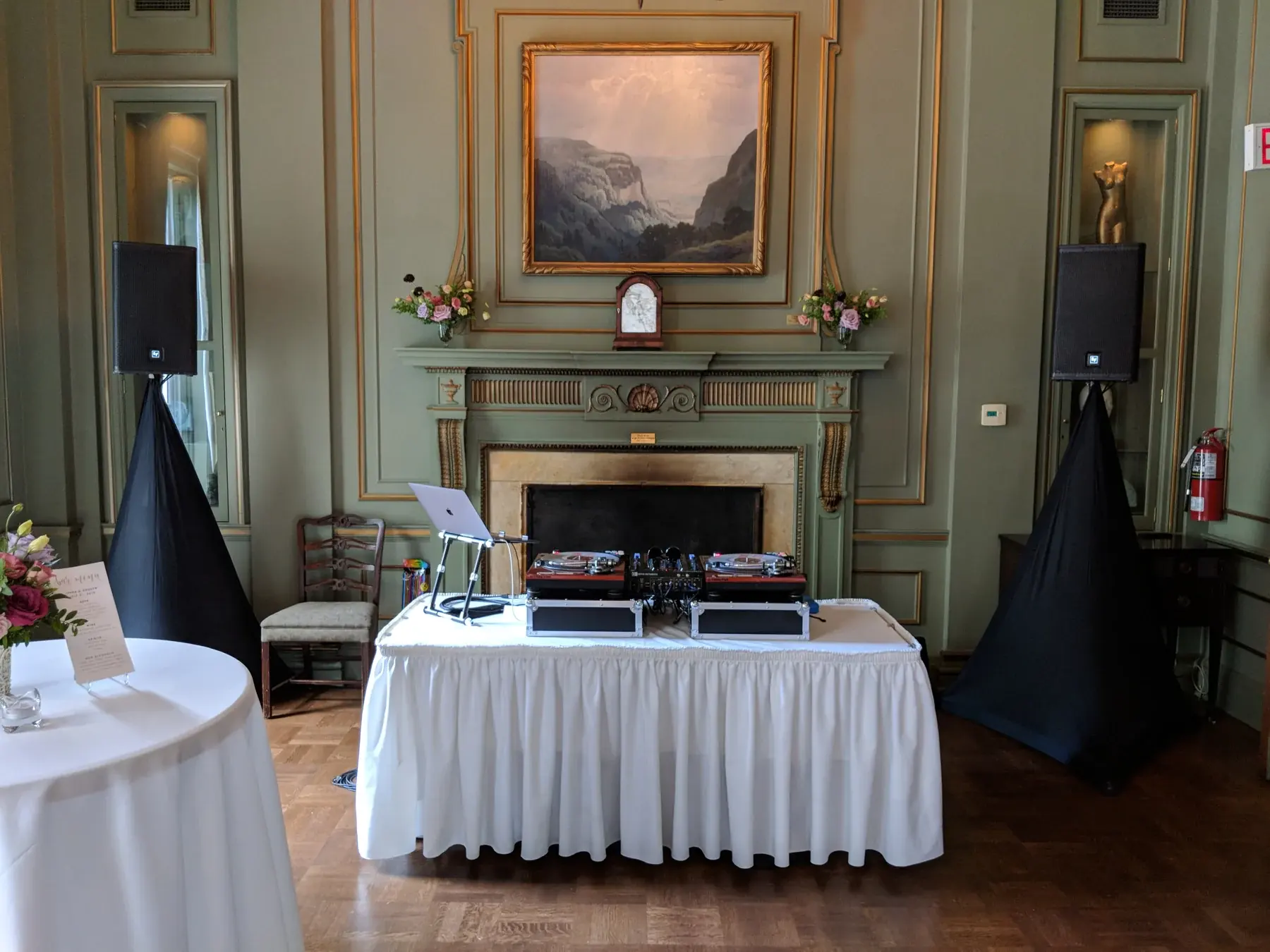
Clear speech and balanced music coverage are part of sound quality. Both depend on the equipment and the setup.
Sound Quality for Every Part of Your Wedding
A wedding sound setup may need to cover several parts of the day:
-
Spoken vows and officiant audio
-
Wireless microphones for readings and toasts
-
Music transitions throughout the day
-
Announcements and crowd direction
-
A high-energy dance floor later in the evening
Each part requires different sound considerations, equipment, and setup. A single speaker in the corner simply won’t cut it — especially in larger spaces or outdoor environments.
Outdoor Weddings: Beautiful, But Acoustically Challenging
Montana weddings are famous for stunning outdoor venues — mountain views, ranches, and open fields. They’re also challenging environments for audio, with different needs from indoor spaces. Compare indoor and outdoor wedding audio before planning the setup.
Common outdoor sound challenges include:
-
No walls to contain sound
-
Wind interference with microphones
-
Large guest spreads across uneven terrain
-
Power limitations at remote venues
Without professional planning, guests may struggle to hear your vows, or music may feel thin and underpowered. Proper sound design ensures consistent coverage, clear speech, and music that feels full without being overwhelming.
Clear Vows & Toasts Matter More Than You Realize
Your ceremony and speeches are once-in-a-lifetime moments. Planning clear ceremony audio helps keep the focus on the words. Poor sound can turn them into moments of frustration:
-
Guests missing key parts of your vows
-
Toasts that fade in and out
-
Feedback squeals during quiet moments
-
Awkward pauses while equipment is adjusted
Professional sound means:
-
Discreet microphone placement
-
Clean, natural vocal clarity
-
No distractions during emotional moments
Test these details before guests arrive so speech is clear and microphone problems can be addressed.
Dance Floors Live or Die by Sound Quality
Music needs a sound setup that suits the space.
A great DJ can read a crowd and play the perfect song — but without the right sound system, that energy never fully lands. Balanced bass, clean highs, and even coverage keep guests engaged and dancing longer.
High-quality sound means:
-
Music that feels powerful, not harsh
-
No “dead zones” on the dance floor
-
Comfortable volume levels for all ages
The aim is music guests can enjoy at a comfortable level.
Professional DJs Bring Professional Equipment (and Experience)
Not all DJs offer the same level of service. Professional wedding DJs invest in:
-
Commercial-grade sound systems
-
Backup equipment for peace of mind
-
Multiple setups for ceremony, cocktail hour, and reception
-
Experience adapting to different venues and layouts
Ask your DJ about equipment, backups, and the plan for each space so you know how the sound will be handled.
Why Couples in Montana Should Prioritize Sound
Montana weddings often involve:
-
Outdoor ceremonies
-
Larger venues and guest counts
-
Remote locations
-
Weather and environmental variables
Plan the equipment and coverage for the ceremony, speeches, and reception, taking the venue and guest layout into account.
Final Thoughts
Sound quality depends on the equipment, placement, and testing. Discuss those details before the wedding so the plan fits your venue.
If you’re planning a wedding in Bozeman or Southwest Montana, I can help you plan clear speech and music coverage for your venue.
Tell me your venue, guest count, and which parts of the day need sound.
For a closer look at microphones and recorded speech, Shure’s audio systems guide includes wedding microphone and outdoor wind-protection considerations. Use it to inform the questions you discuss with your audio provider.